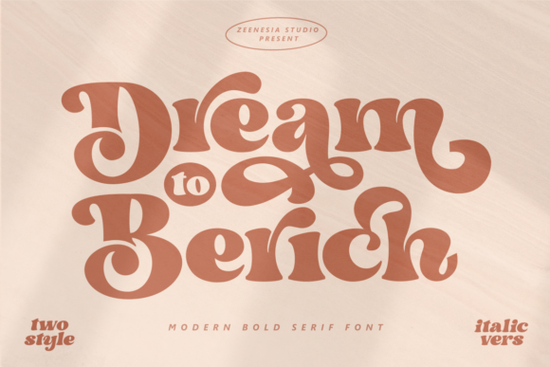
If you’ve been searching for a serif font that feels both modern and timeless, Dream to Berich Font might be exactly what your next project needs. It’s got personality without being overwhelming clean lines with just enough flair to stand out on invitations, branding materials, or even merch designs. And if you’re someone who works with print-on-demand platforms or crafts custom products for clients, this one’s worth a closer look.
What makes it especially handy is that it’s PUA encoded. That means all the extra glyphs, ligatures, and swashes are accessible right inside your design software no hunting through character maps or installing separate files. Whether you’re using Canva, Adobe Illustrator, or Silhouette Studio, you’ll find those stylistic alternates ready to go.
Who should consider using this font?
If you run a small business selling custom mugs, t-shirts, or greeting cards, fonts like this can help your products feel more curated and intentional. Hobbyists making wedding invites or scrapbook layouts will appreciate how easy it is to add elegant details without needing advanced typography skills. Even designers looking to refresh their toolkit might enjoy how versatile Dream to Berich feels across different applications from logos to packaging mockups.
It pairs well with minimalist sans-serifs if you’re building layered designs. You can check out some great pairings over in our guide to sans-serif fonts that work well together. Mixing typefaces thoughtfully is one of the easiest ways to create contrast and hierarchy in your layouts.
How does PUA encoding actually help me?
PUA stands for Private Use Area basically, it’s a section of Unicode reserved for characters that don’t have standard assignments. When a font uses PUA encoding properly, it ensures that special characters (like flourishes, alternate letters, or decorative elements) show up consistently across programs. For creators, that means less frustration and fewer “missing glyph” errors when switching between apps or exporting files.
- No need to install multiple versions of the same font.
- Access swashes and alternates directly from your font menu or OpenType panel.
- Great compatibility with most major design tools used by crafters and pros alike.
Where does this fit among other serif options?
Serif fonts often get pigeonholed as “formal” or “traditional,” but Dream to Berich breaks that mold gently. It has enough contemporary rhythm to feel fresh, while still carrying the warmth and readability associated with classic serifs. If you’re browsing similar styles, take a peek at our roundup of serif fonts with personality there are several others in the same vein that complement or contrast nicely depending on your goal.
One thing to note: because of its stylish curves and subtle embellishments, it works best at medium to large sizes. Tiny text on product tags or fine print? Maybe not ideal. But headlines, social media graphics, book covers, or embroidered patches? Absolutely shines there.
Any tips for getting the most out of it?
Start simple. Pick one or two key words in your layout and apply the swash variants there maybe the first letter of a name or the last word in a quote. Too many decorative touches can clutter the message, especially for customers scanning quickly online.
Also, test your final output. Some printers or cutting machines handle intricate vector paths differently than your screen preview suggests. Always do a small proof before committing to bulk production.
And don’t forget spacing. This font looks best with generous leading and tracking. Cramped lines will hide its charm. A little breathing room lets each character’s detail come through clearly.
Quick checklist before you hit publish or print:
- Tested special characters in your chosen software?
- Checked legibility at actual size (not just zoomed in)?
- Paired with a complementary sans-serif for balance?
- Exported outlines or saved backup files in case of font substitution issues later?
Fonts like Dream to Berich remind us that good design doesn’t have to be complicated sometimes it’s just about choosing the right tool and letting it do what it does best. Whether you're personalizing gifts, building client brands, or just playing around for fun, give yourself permission to experiment. The outcome really does speak for itself.
Learn More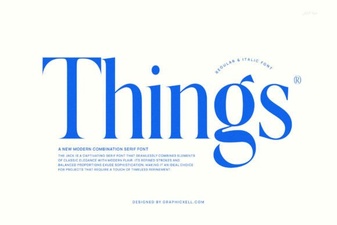 Things Font: Design and Creative Typography Projects
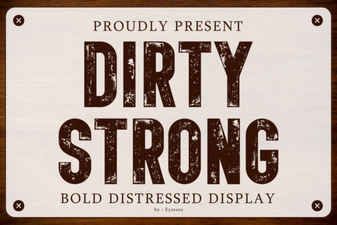 Master Bold Fonts: Design Tips for Dirty Strong Type
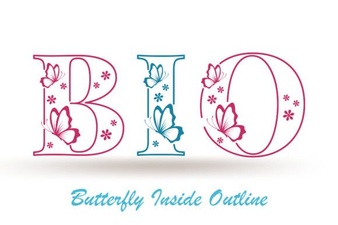 Design a Font with a Butterfly Inside
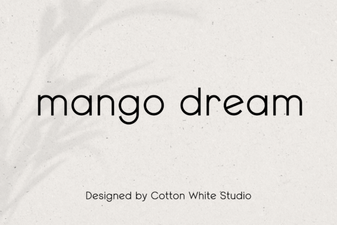 Mango Dream: Font & Creative Project Ideas
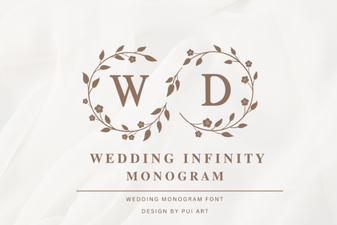 Wedding Infinity Monogram Font Design Ideas
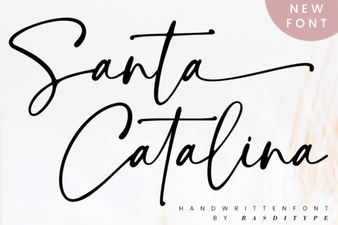 Santa Catalina Font for Creative Design Projects